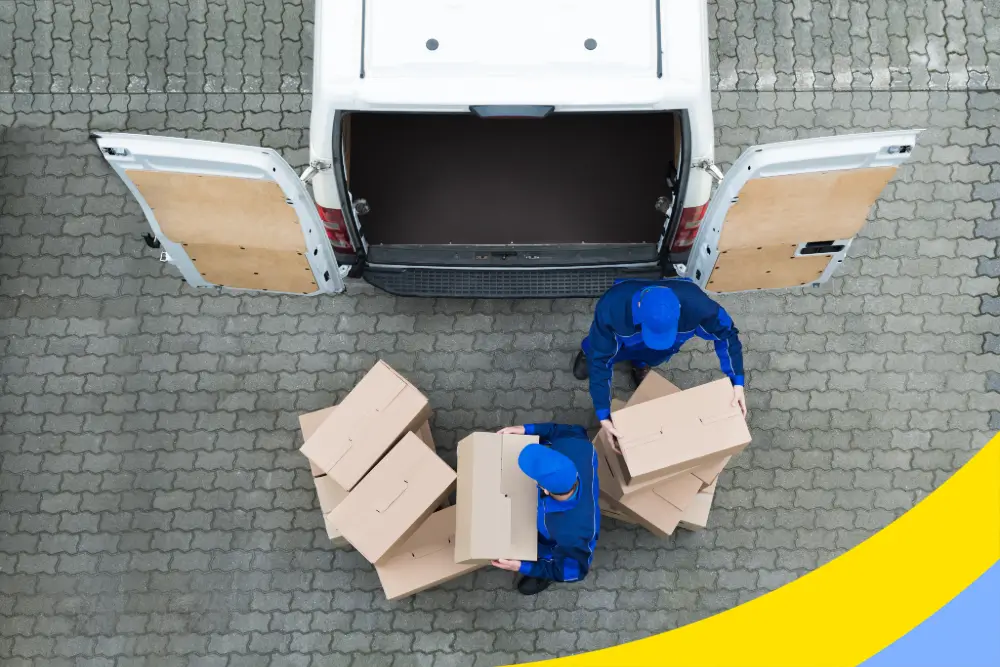
The shortest leg of any delivery journey is also the most decisive. The stretch between your shop and a customer's doorstep — the last mile — is where deadlines are met or missed, where loyalty is earned or lost, and where rapidly evolving technology is rewriting what a small business can promise its customers. Tools that were once the exclusive domain of national carriers are now affordable, Shopify-ready, and built for teams of one or two. Whether you run meal kit delivery, hardware delivery, or flower delivery, staying competitive in 2026 means understanding the trends reshaping every drop-off.
From AI-driven routing and real-time tracking to electric fleets and warehouse automation, here are the developments transforming local delivery — and what each one means for the drivers and businesses on the front line.
Why the Last Mile Matters More Than Ever
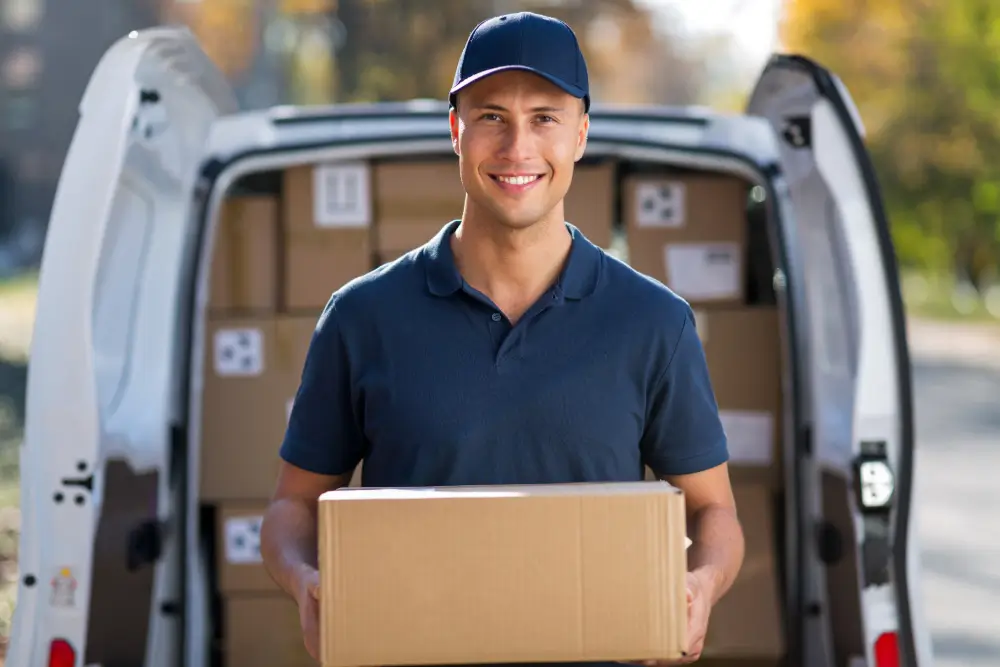
The last mile is short in distance but long in impact. It's where delays surface, expectations peak, and customer satisfaction is decided — often on a single delivery window. It's also the most expensive part of the chain: last-mile delivery now accounts for roughly 53% of total shipping costs, up from 41% in 2018. That cost pressure is only growing as the market expands; the global last-mile delivery market is projected to reach about $181.6 billion in 2026 on its way past $348 billion by 2033.
For grocery delivery, pizza delivery, or furniture delivery businesses, transparency and consistent communication are no longer optional extras. A 2026 analysis found that 88% of consumers consider real-time delivery tracking critical to a positive experience. Understanding what's coming next in last-mile technology is the difference between scrambling to keep up and getting out in front. If you're new to the territory, our last-mile delivery guide and our roundup of local delivery statistics are good places to ground your strategy.
Smarter Routing Through Artificial Intelligence
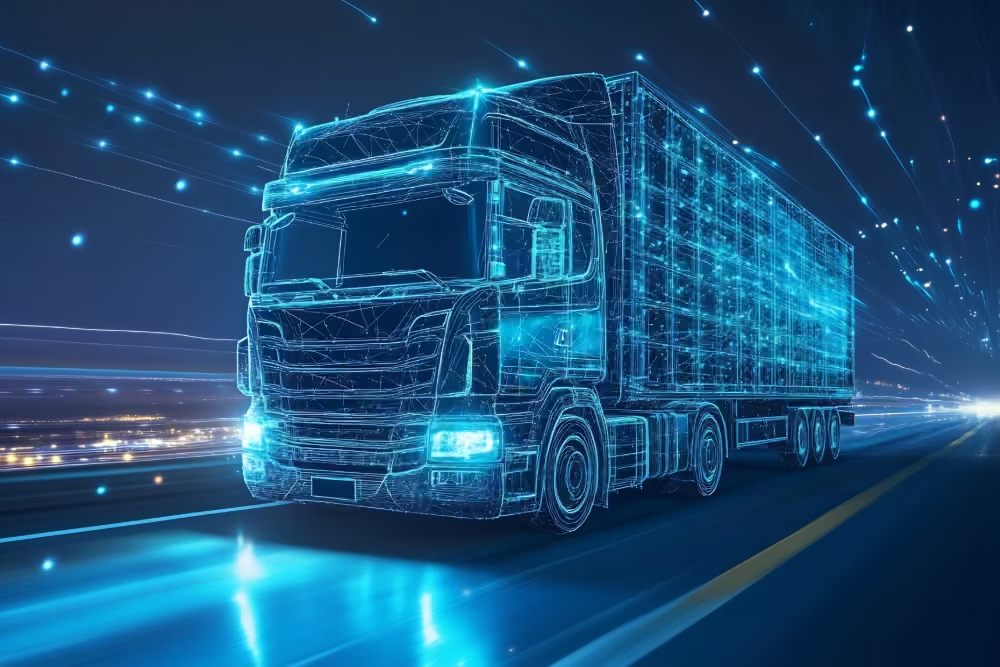
Planning delivery routes by hand is like playing chess with a fogged-up board — you can guess, but software can know. AI-powered route optimization doesn't just factor in distance; it dynamically adjusts for traffic, stop priority, delivery windows, vehicle capacity, and driver availability, then re-sequences on the fly as conditions change.
The payoff is concrete. UPS's proprietary ORION routing system reportedly cuts 10 to 14 miles from each driver's day — savings that compound into millions of gallons of fuel a year across a large fleet. You don't need a national carrier's budget to capture the same logic: tools like dynamic routing technology bring real-time re-optimization to teams of any size. It's a game-changer for pet supply delivery, medical supply delivery, and catering, where time-sensitive, multi-stop logistics are the norm. To see how the biggest players turn routing into a competitive moat — and how smaller businesses can borrow their playbook — read how Amazon, UPS, FedEx, and Walmart optimize delivery.
And with tools like EasyRoutes, SMBs can implement AI routing without an IT department — it integrates directly with Shopify and builds efficient routes from live order data in a few clicks.
Real-Time Tracking and Delivery Visibility
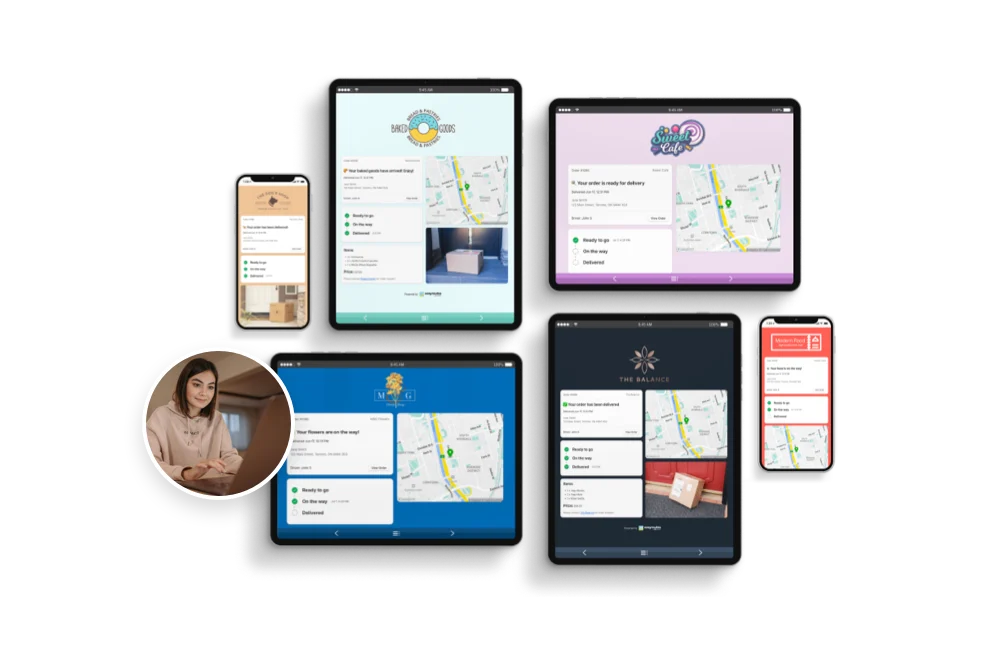
Customer communication has moved far beyond a confirmation email. Shoppers now expect to know exactly where their order is and when it will arrive, and they want proactive alerts if anything changes. Live order tracking and notifications let businesses manage expectations and head off the dreaded “Where is my order?” (WISMO) inquiry before the phone ever rings.
That matters to the bottom line as much as the brand. Each WISMO contact costs a brand roughly $5 to answer and resolve — a quiet but steady drain that proactive milestone updates (shipped, out for delivery, delivered) can shrink dramatically. Whether you handle bookstore delivery, coffee shop delivery, or produce delivery, real-time updates — ETA alerts, live driver maps, and photo confirmation at the door, all from a branded interface — turn each delivery into a trust-building touchpoint.
Electric Vehicles and Greener Fleets
Electrification has shifted from pilot project to mainstream fleet strategy. The cleanest signal comes from the largest operator: Amazon now runs more than 50,000 electric delivery vans worldwide and is targeting 100,000 by 2030. The economics are reaching smaller fleets, too — the last-mile segment of the electric commercial vehicle market was valued at about $32.7 billion in 2025, with proven platforms now available to regional carriers and even single-van businesses.
For drivers, electric delivery vehicles mean lower fuel and maintenance costs and a quieter, smoother shift. For operators planning routes around range and charging, AI optimization and electrification reinforce each other — fewer miles means less charging downtime and more deliveries per charge. Pairing the two is quickly becoming the default for forward-looking fleets.
Smarter Safety and Driver-Assistance Tech
As more vehicles take to the road, safety has become a frontline priority. Modern delivery vehicles increasingly ship with automatic emergency braking, lane-departure warnings, and collision alerts as standard, while driver-monitoring systems offer real-time feedback on habits like harsh braking and speeding. These features protect drivers first, but they also reduce accident risk, lower insurance costs, and keep deliveries on schedule — a rare win that benefits the driver, the customer, and the bottom line at once.
Driver Tools That Boost Efficiency and Morale
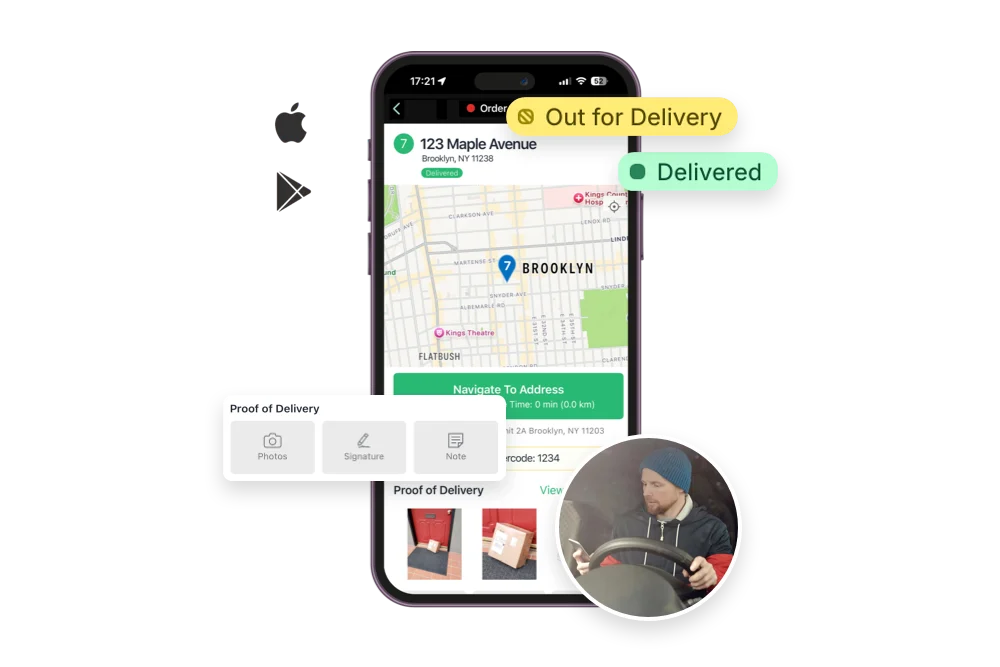
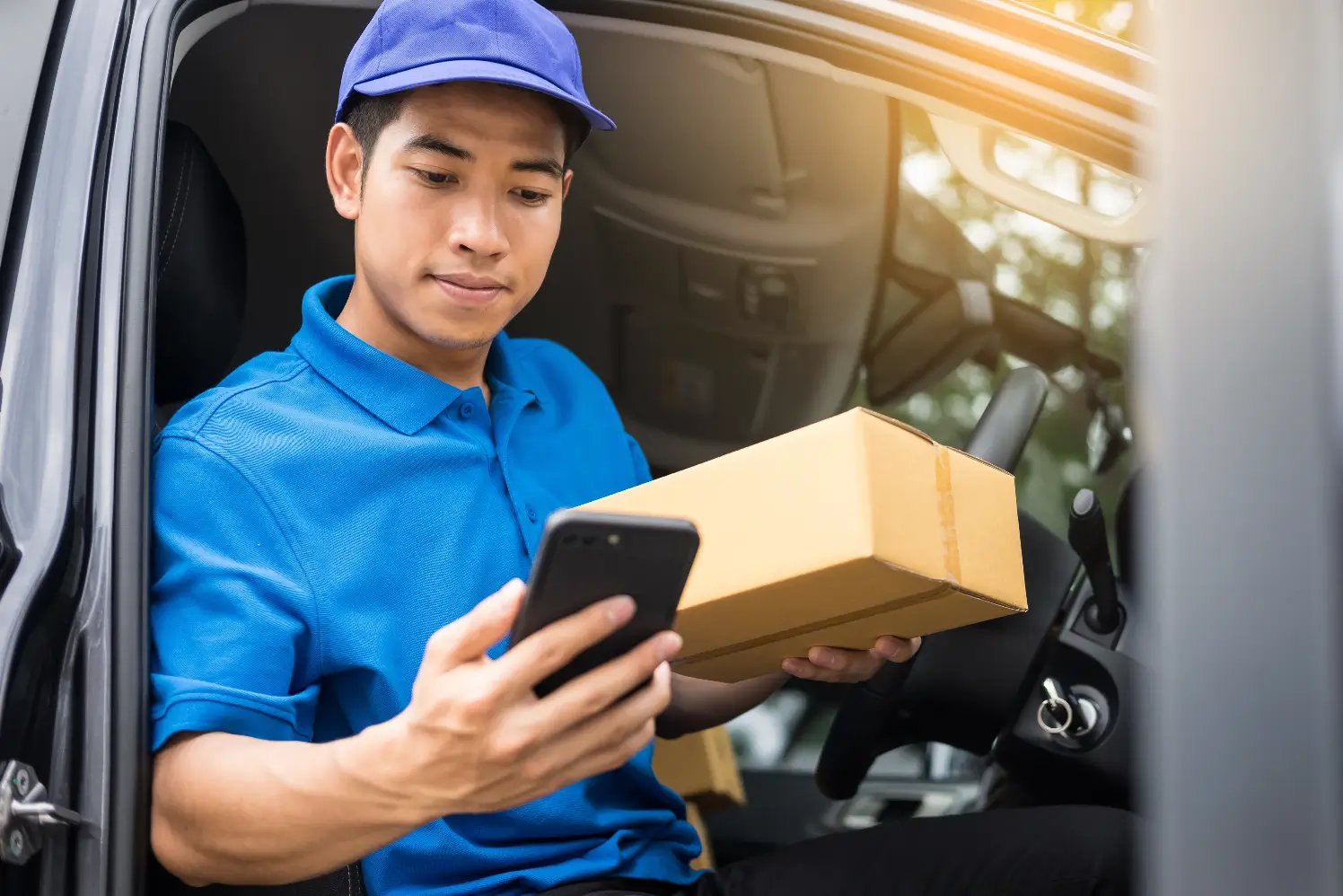
Your drivers aren't just logistics workers — they're brand ambassadors on wheels. But unclear routes, disorganized manifests, and constant check-ins with dispatch make it hard for anyone to do their best work. A simple, intuitive driver app lets them navigate efficiently, read delivery instructions, capture proof of delivery, and update order status without taking their focus off the road.
For operations like cleaners, butcher delivery, or firewood delivery, these tools prevent delays and reduce costly turnover. The link between good routing technology and a happier, more loyal team is real — we dig into it in how routing technology boosts driver morale. The more empowered your drivers feel, the more consistent — and cheerful — your customer experience becomes.
Automation, Batching, and Localized Fulfillment
Time is money, and automation is the silent business partner that protects both. Whether you're delivering ten orders or a hundred, automated batching and route assignment save hours of planning every week. For clothing delivery, bakery delivery, or subscription box delivery businesses, managing high volumes without chaos is the whole game — orders get grouped into efficient routes, assigned to drivers, and readied for dispatch with no spreadsheets required.
Automation is increasingly paired with localized fulfillment. By positioning inventory in smaller, strategically placed warehouses closer to customers, businesses cut the distance between shelf and doorstep — which means shorter drive times, lower transportation costs, and more deliveries completed per shift. For drivers, that translates to less time fighting traffic and more stops cleared within a route.
Sustainable Delivery Becomes the Expectation

Sustainability has moved from buzzword to buying criterion. Consumers increasingly reward businesses that deliver responsibly: in recent surveys, 77% of consumers said they'd wait longer for a package shipped through a sustainable method. The operational upside is just as compelling — when one major retailer let shoppers consolidate orders into a single delivery day, it cut more than 300 million delivery stops and avoided roughly 100,000 tons of carbon emissions in the first nine months of 2025.
For SMBs, the greenest moves are also the most efficient ones: optimized routes that eliminate empty miles, reduced idling, right-sized packaging, fewer failed first attempts, and electric or hybrid vehicles where they fit — the building blocks of greener transportation. Sustainability and profitability, it turns out, usually point in the same direction.
EasyRoutes: Built for SMBs with Big Delivery Goals
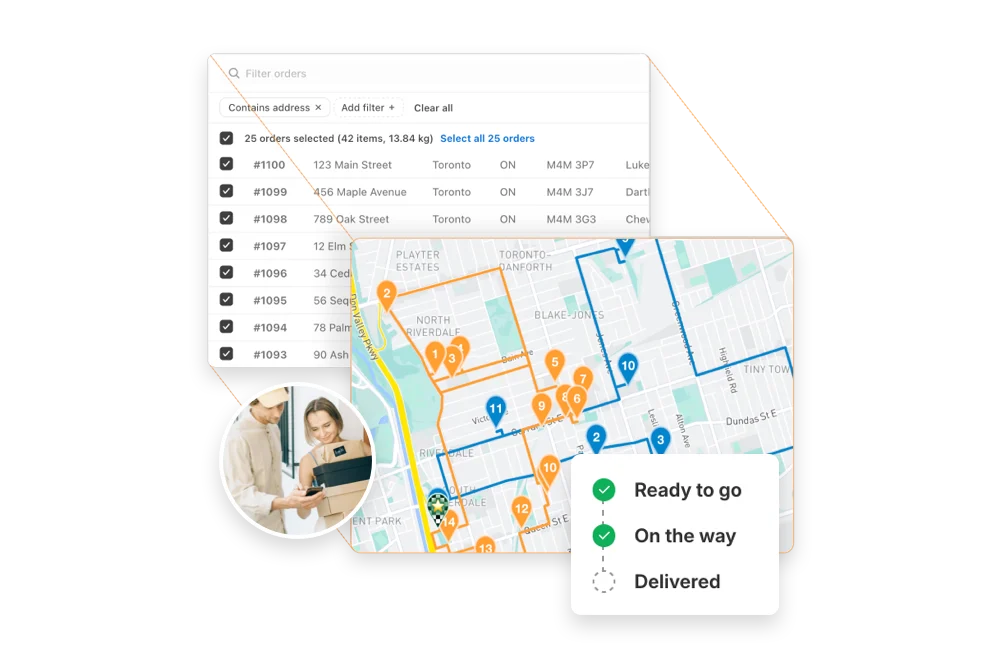
EasyRoutes is more than route-planning software — it's a full delivery management solution designed for small teams with big ambitions. By pulling orders directly from Shopify, EasyRoutes eliminates manual exports, slashes planning time, and gives you real-time visibility into your entire fleet. Features like tracking and notifications, driver-friendly mobile views, and automated batch routing make it ideal for businesses offering meal kit delivery, garden center delivery, or auto parts delivery. It's scalable, easy to learn, and smart enough to grow with you — so you can focus on delighting customers, not drawing routes.
Customer Spotlight: Uproot Food Collective
Uproot Food Collective, a platform supporting independent food brands, faced growing pressure to offer reliable local delivery without inflating costs. As order volume rose, their manual planning process couldn't keep up.
By adopting EasyRoutes, Uproot streamlined its logistics, cut delivery planning time, and made sure every box of craft food arrived fresh and on schedule. With real-time delivery notifications and route efficiency built in, they turned a logistics headache into a well-oiled operation — proof that even complex food delivery can be smart, sustainable, and customer-focused with the right tools.
Final Thoughts: Embracing the Delivery Future, One Stop at a Time
Technology is rewriting the rules of local delivery — and small businesses stand to gain the most. With accessible, intelligent tools for routing, tracking, automation, electrification, and driver coordination, delivering efficiently is no longer reserved for the Amazons of the world. The trends shaping 2026 all point the same way: faster routes, greener fleets, happier drivers, and customers who know exactly when to expect their order.
Whether you're in furniture delivery, grocery delivery, or plant store delivery, embracing the latest last-mile tech means more control over your growth and a delivery experience customers remember. Ready to level up? EasyRoutes equips you to future-proof your local logistics — without needing a warehouse or a logistics team. Start your 14-day free trial today!