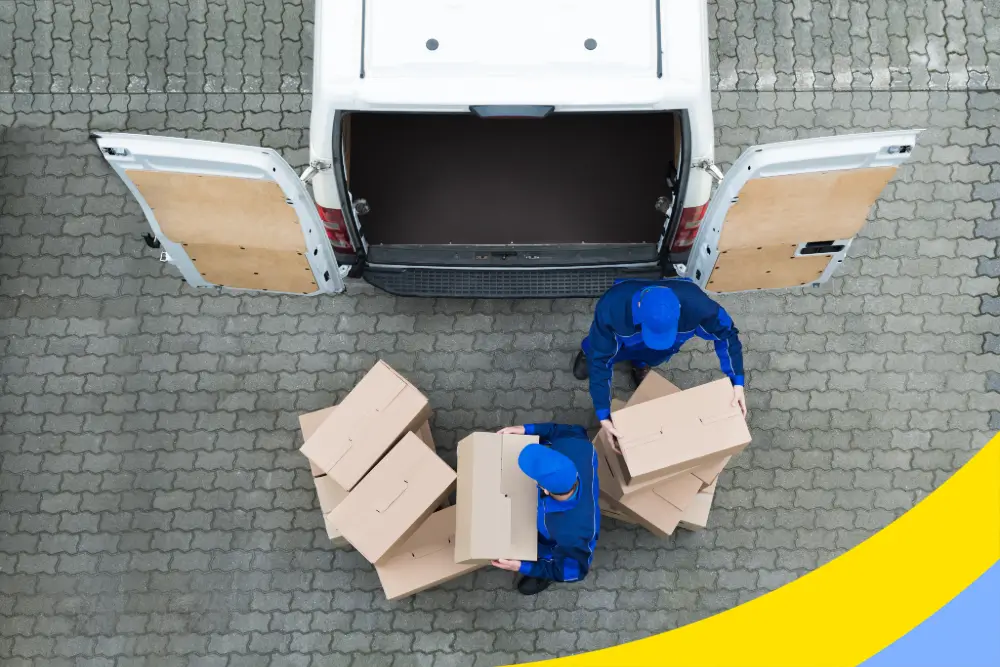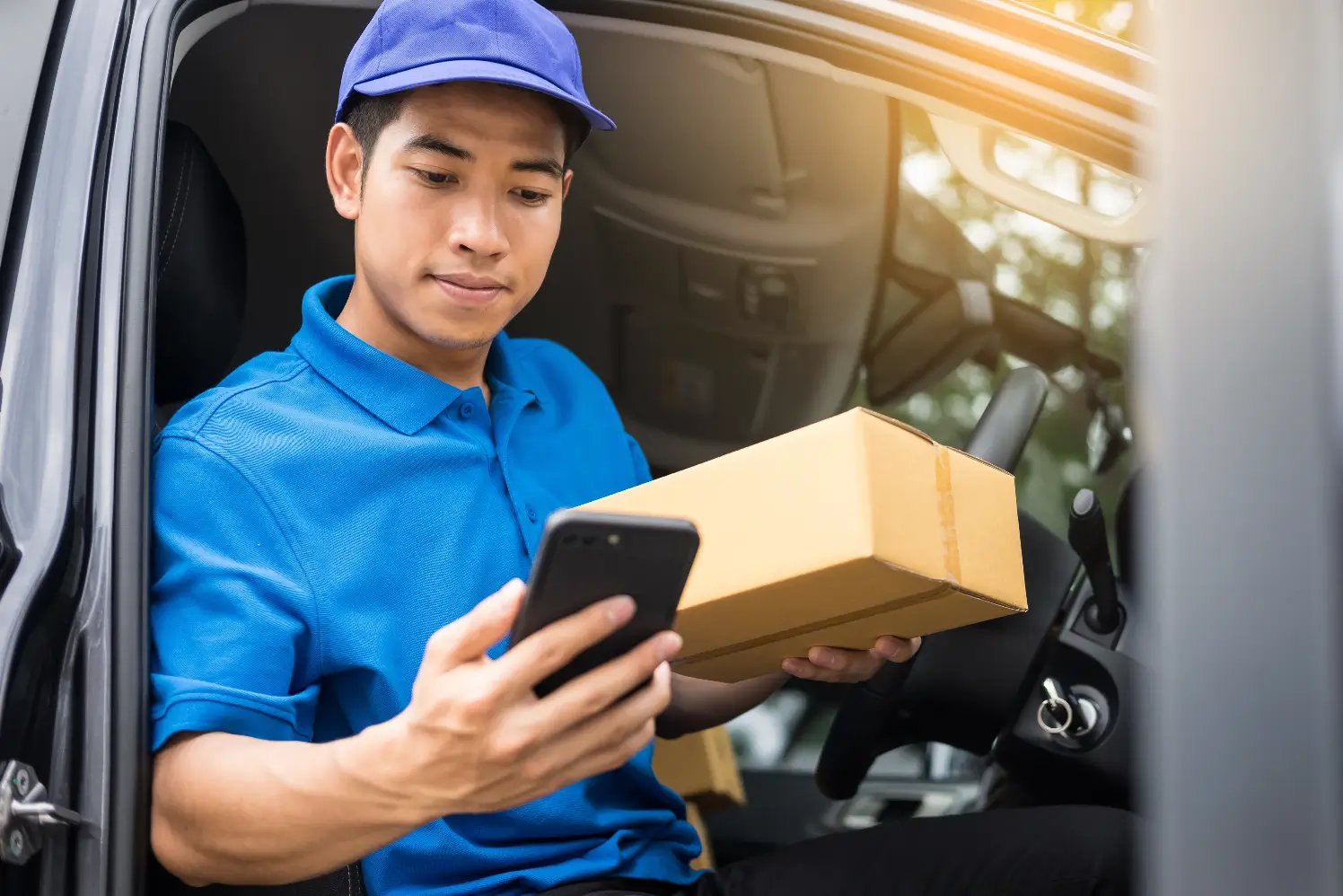
Offering your own local delivery service has shifted from a nice-to-have to a core part of how modern businesses compete. The pandemic-era surge in home delivery permanently reset what shoppers expect, and the habit never reversed: people now assume that if they buy from you, you can get it to their door quickly, affordably, and with visibility into where it is. For local merchants, that expectation is an opportunity. Running deliveries yourself — rather than handing every parcel to a national carrier — lets you control speed, cost, and the customer experience in ways a third party never will.
This guide explains what a local delivery service actually is, why the market is growing, what it costs to run, and the practical steps that turn an ad-hoc delivery operation into a reliable, profitable one.
What Is a Local Delivery Service?
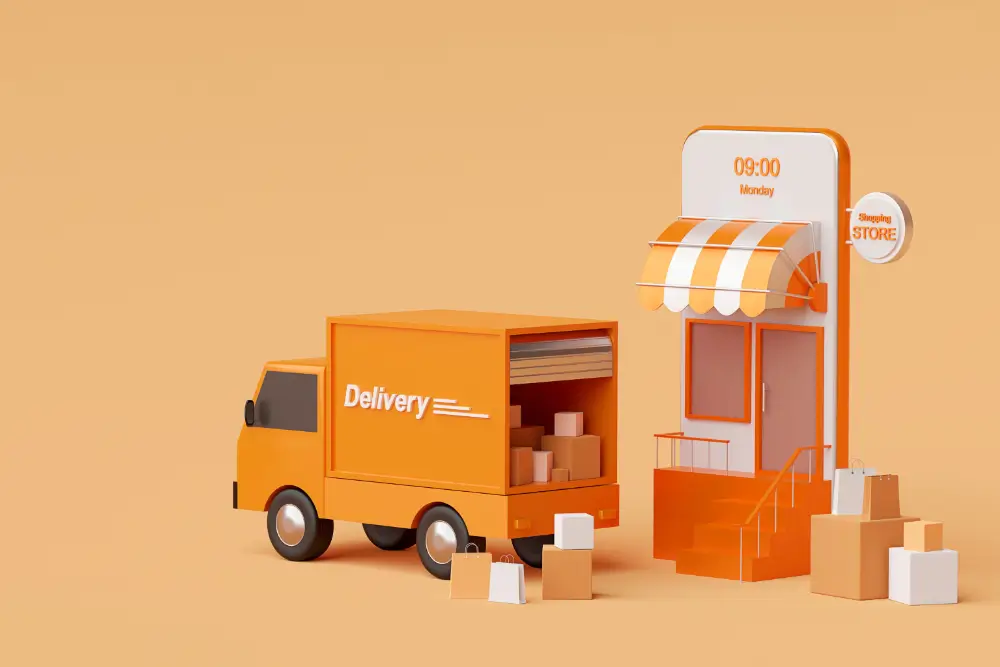
A local delivery service is the distribution of goods directly to customers within a defined neighborhood, city, or region — usually from a store, warehouse, or local hub rather than through a national parcel network. In an e-commerce context, it lets a shopper buy from an online store, an online marketplace, or a physical location and receive the order at their door, often the same or next day.
Local delivery sits at the end of the supply chain, the stretch the industry calls last-mile delivery. It can replace both traditional shipping and in-store pickup, and it gives merchants something carriers can’t: ownership of the final, most memorable touchpoint with the customer. For businesses already selling on Shopify, this often starts with Shopify Local Delivery orders routed and dispatched in-house.
Why Local Delivery Is Booming in 2026

The demand for local and last-mile delivery is being driven by the steady, structural growth of online shopping. In the first quarter of 2026, e-commerce reached 16.9% of total U.S. retail sales — about $326.7 billion, growing 9.8% year over year while total retail grew just 3.9%. Online shopping is taking share from brick-and-mortar quarter after quarter, and every one of those orders needs to physically reach a doorstep.
That dynamic has turned last-mile delivery into one of logistics’ fastest-growing segments. The global last-mile delivery market was valued at roughly $181.6 billion in 2026 and is projected to reach $348.85 billion by 2033, a compound annual growth rate near 9.8%. For a local business, the takeaway is simple: the customers ordering online are in your community right now, and a delivery option keeps that revenue with you instead of sending it to a larger competitor.
How a Local Delivery Service Benefits Your Business
It Captures More Sales
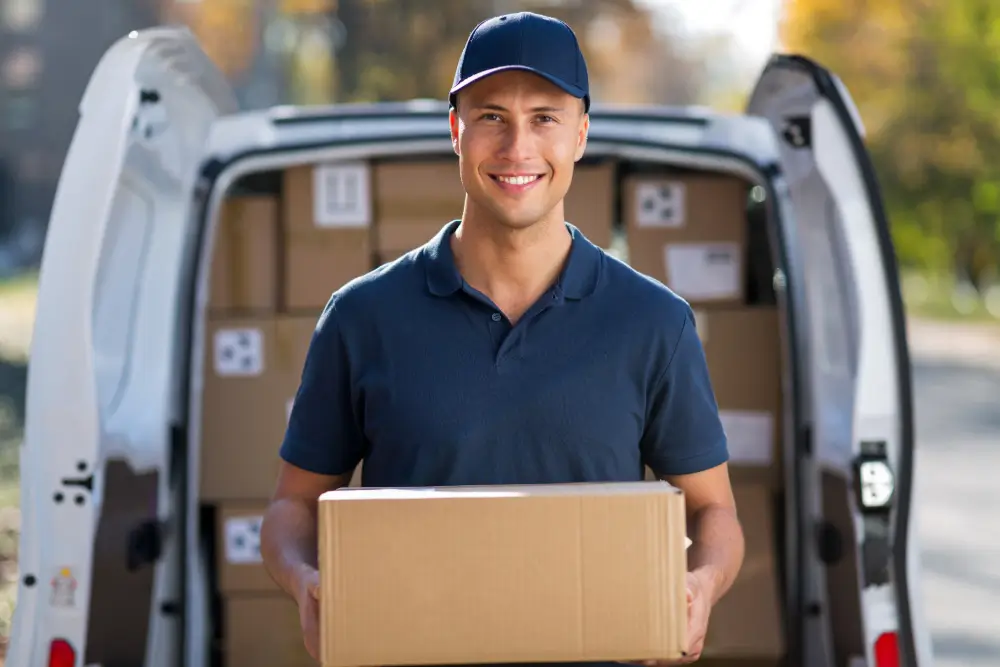
Adding delivery removes friction at the moment of purchase. Shoppers who would otherwise abandon a cart because they can’t visit your store — or don’t want to wait days for shipping — convert instead. Offering fast local fulfillment also opens up impulse and convenience categories (groceries, gifts, prepared food, pharmacy items) where speed is the whole value proposition.
It Improves the Customer Experience
When you deliver yourself, you control the timing, the packaging, the communication, and the handoff. You aren’t exposed to a carrier’s surcharges, peak-season delays, or generic tracking. That control is exactly what lets smaller businesses compete with Amazon Prime and other large retailers on the one thing customers feel most: a delivery that shows up when promised, in good condition, with updates along the way.
It Builds Loyalty in Your Community
A business that grows sustainably needs a loyal base, and delivery is a relationship builder. Every drop-off is a brand impression. Reliable local service signals that you’re invested in the area you serve, and that goodwill compounds into repeat orders and word-of-mouth that paid advertising can’t match.
It Positions You for the Future
Consumer behavior has settled around fast, transparent delivery, and the businesses that meet that standard now are the ones best placed for what’s next — same-day delivery, subscription and recurring orders, and tighter delivery windows. Building the operational muscle early means you scale into demand rather than scrambling to catch up.
What Local Delivery Actually Costs
The hard truth of running deliveries is that the final leg is the expensive one. Last-mile delivery now accounts for about 53% of total shipping costs, up from 41% in 2018 — more than warehousing or long-haul freight. The reason is structural: delivering single packages to scattered residential addresses generates far more miles per stop than moving bulk freight to one location. Labor is the single biggest line item, with fuel, vehicle maintenance, and insurance close behind.
Failed deliveries make it worse. Every missed first attempt re-runs the full cost of that delivery, sometimes two or three times, and roughly 3–4% of U.S. packages arrive damaged — over 85 million parcels in 2025 alone. None of this means local delivery is unprofitable; it means the operation has to be run tightly. Understanding the full picture of last-mile delivery costs is the first step to protecting your margin, and most of the savings come from the same place: smarter planning. (For a deeper look at pricing and when to absorb delivery fees, see our guide to free delivery.)
How to Improve Your Local Delivery Service
If you’ve already started delivering — or you’re about to — these are the practices that separate a smooth, profitable operation from a chaotic one.
1. Set Clear Delivery Priorities
Decide each day which orders matter most. Sorting by urgency, promised time window, or location lets you serve high-priority customers first and allocate limited drivers and vehicles where they count. Scheduling ahead with defined delivery windows — something you can manage with scheduled deliveries — keeps the day predictable for both your team and your customers.
2. Build Efficient Routes Automatically
Planning routes by hand is slow, error-prone, and effectively impossible to do well past a handful of stops. Route optimization software builds the most efficient multi-stop routes in seconds, accounting for distance, traffic, time windows, and priorities — cutting mileage, fuel, and time on the road. This is the single highest-leverage change most delivery businesses can make.
3. Choose a Reliable Route Planner
The route planner you choose quietly determines how much of the most time-consuming part of delivery you can offload. Look for one that fits your order volume, integrates with how you already take orders, and supports the realities of your fleet — multiple drivers, vehicle capacities, and re-optimization when plans change mid-day.
4. Use Real-Time Tracking
Live GPS tracking lets you monitor delivery progress, driver location, and availability as the day unfolds. Real-time tracking improves daily efficiency and, just as importantly, lets you answer the question every customer is silently asking: where is my order?
5. Save Time and Money
Calculating efficient routes, setting priorities, and tracking drivers in real time recovers hours that would otherwise be lost to manual planning — and the fuel and labor that go with detours and backtracking. That reclaimed time and money can go toward the parts of the business that actually grow it.
6. Reduce Errors
Optimization software dramatically lowers the odds of mis-sequenced or impossible routes. Algorithms pull in real-time traffic and location data to produce accurate, drivable instructions, which means fewer wrong turns, fewer late stops, and fewer failed first attempts.
7. Keep Customers Informed
Automated notifications — by SMS or email — tell customers when to expect their order and update them as the driver approaches. Pair that with proof of delivery via photo or signature, and you close the loop with a record that protects you against disputes and reassures the customer their order arrived safely.
Many of the questions that come up when you add delivery — how many drivers you’ll need, which zones to serve, what options to offer, how to turn an order list into a workable route — share a single answer: good route planning and optimization.
How EasyRoutes Powers Local Delivery
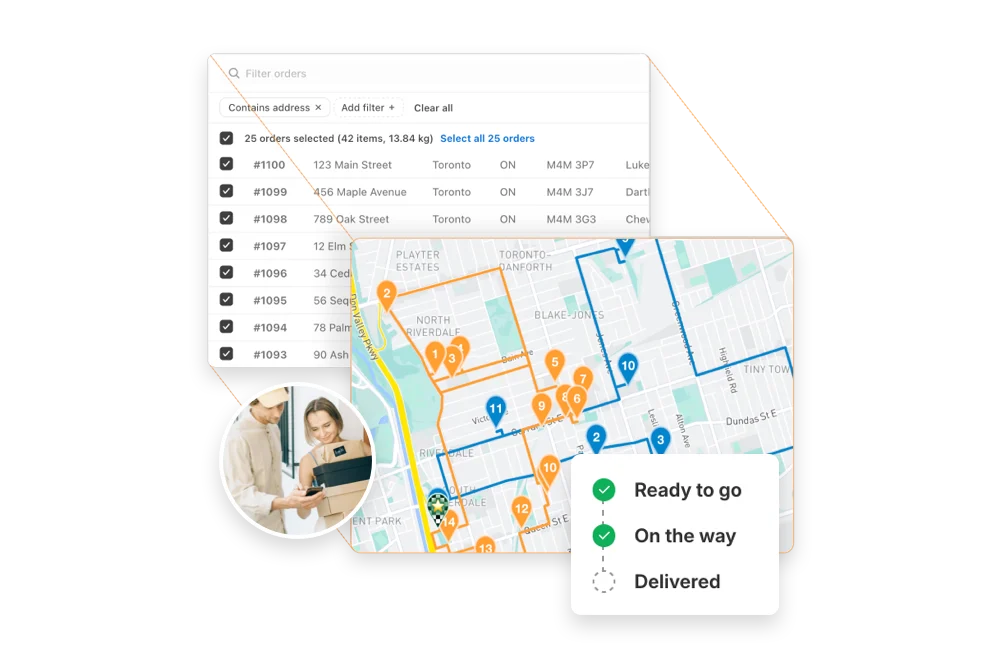
EasyRoutes is built to handle exactly this work. It turns your orders into optimized multi-stop routes in a couple of clicks, dispatches them to a driver app with turn-by-turn navigation, sends customers automated tracking links and ETA notifications, and captures proof of delivery on every stop. For Shopify merchants it syncs orders automatically and can route Local Delivery and Pickup orders directly, so the planning, driving, and customer communication all live in one place. The result is the tight, well-run operation that makes local delivery a profit center rather than a cost sink.
Frequently Asked Questions
How much should I charge for local delivery?
Set your fee by working out your real cost per delivery — labor, fuel, vehicle wear, and insurance — then position it against what local competitors charge and what your customers will bear. Many businesses use a free-delivery threshold above a minimum order value to lift average order size while keeping the per-order economics healthy.
How do I market my local delivery service?
Lean on local channels: search engine marketing, social media, Google Business Profile, and retargeted ads aimed at nearby shoppers. Make the delivery promise — speed, area covered, and tracking — front and center in your messaging, and let reliable service generate the reviews and referrals that compound over time.
Final Thoughts
For a local business, offering delivery isn’t just an added service — it’s a way to capture more sales, deepen customer loyalty, and stay competitive as online shopping keeps growing. The difference between a delivery operation that drains margin and one that builds the business comes down to how well it’s planned. Letting a tool like EasyRoutes handle the routing, dispatch, tracking, and proof of delivery turns the hardest, most expensive part of fulfillment into a genuine advantage. If you’d like help getting started, our team is happy to walk through the best setup for your business.